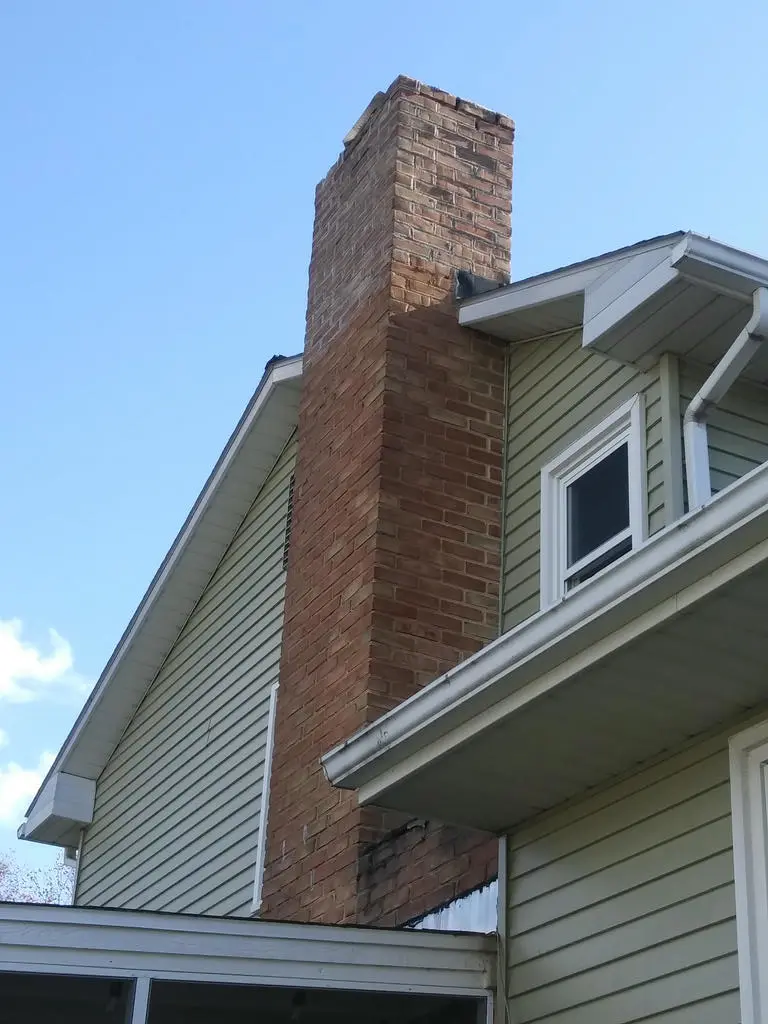
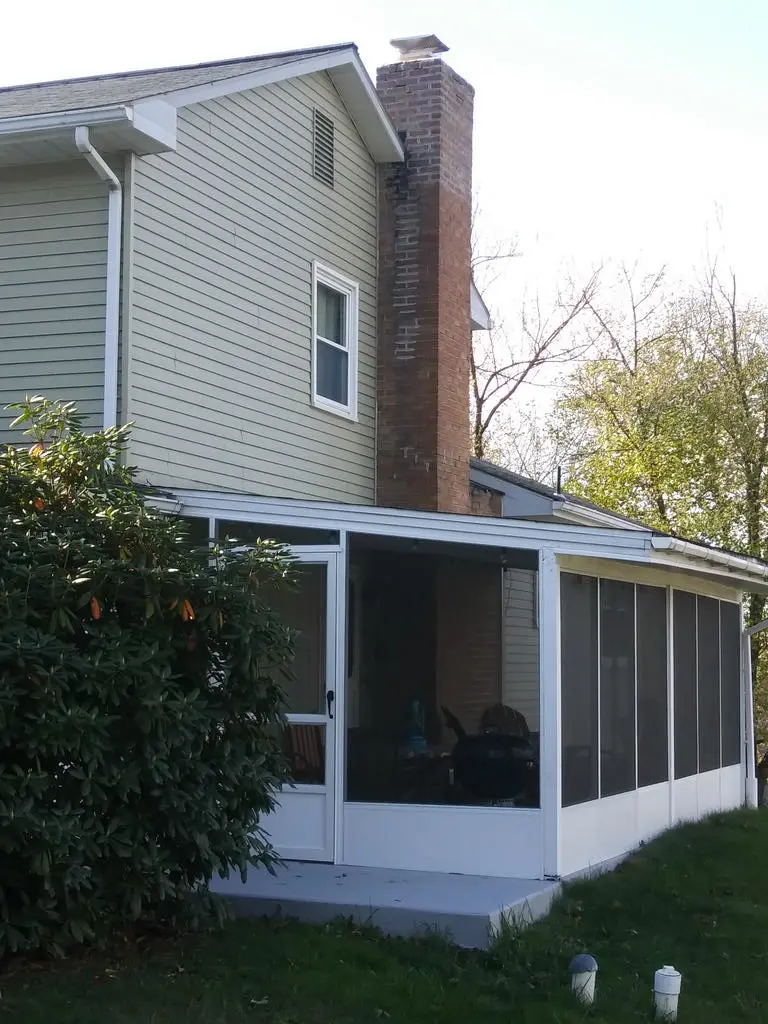
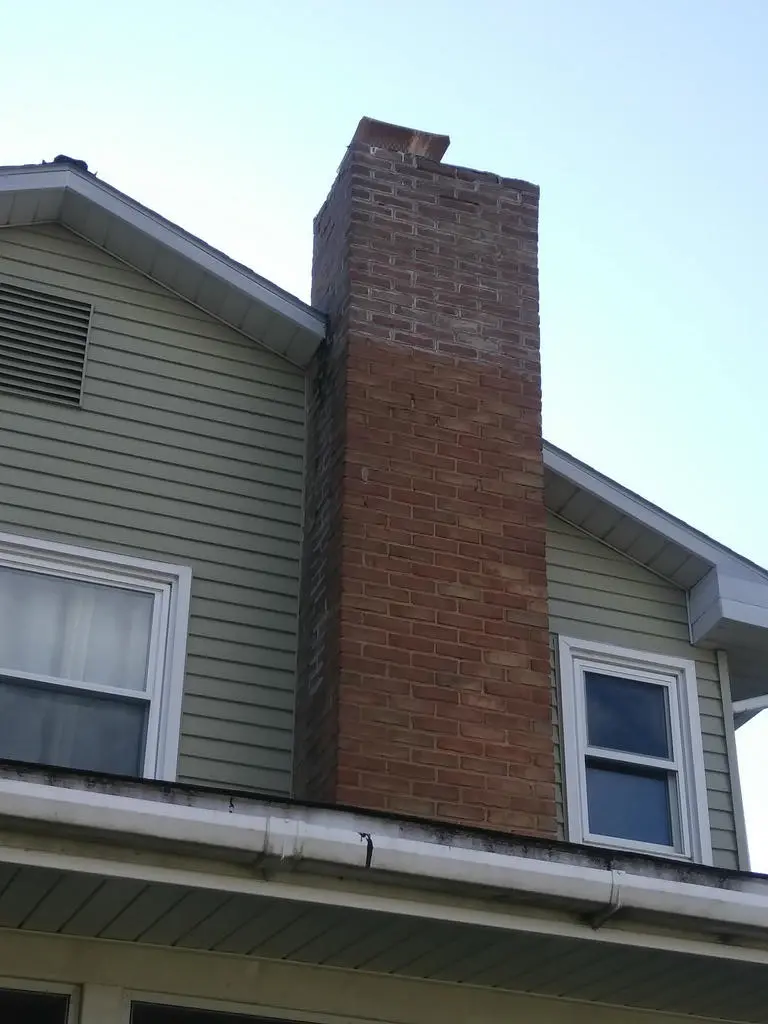
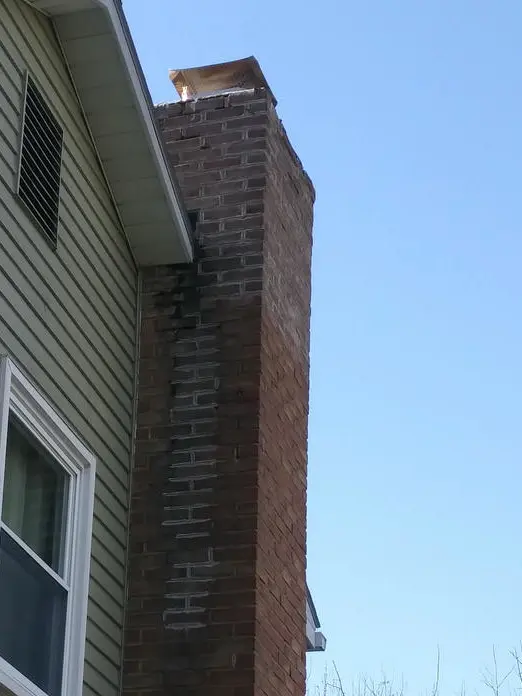
Grantville Before

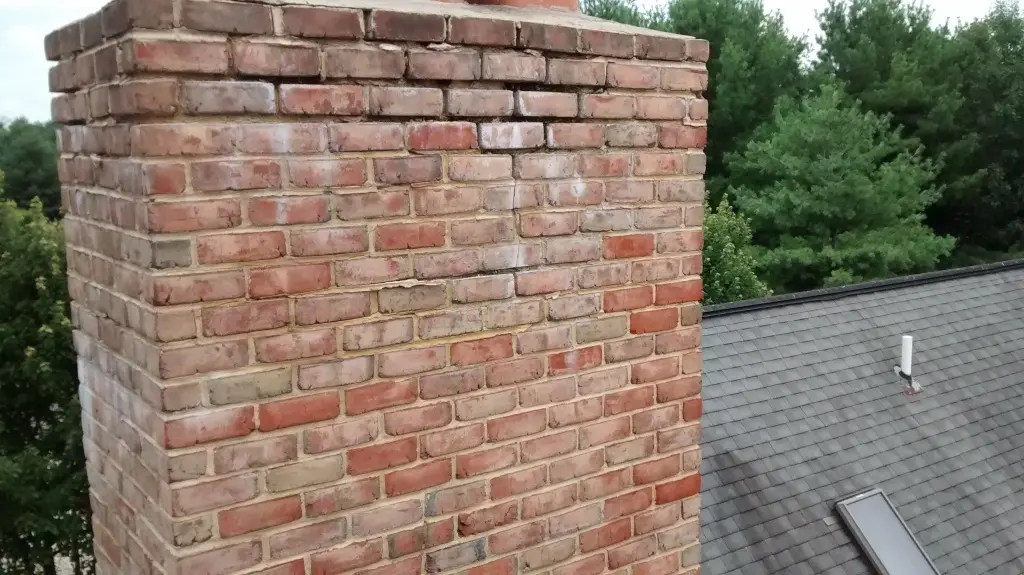
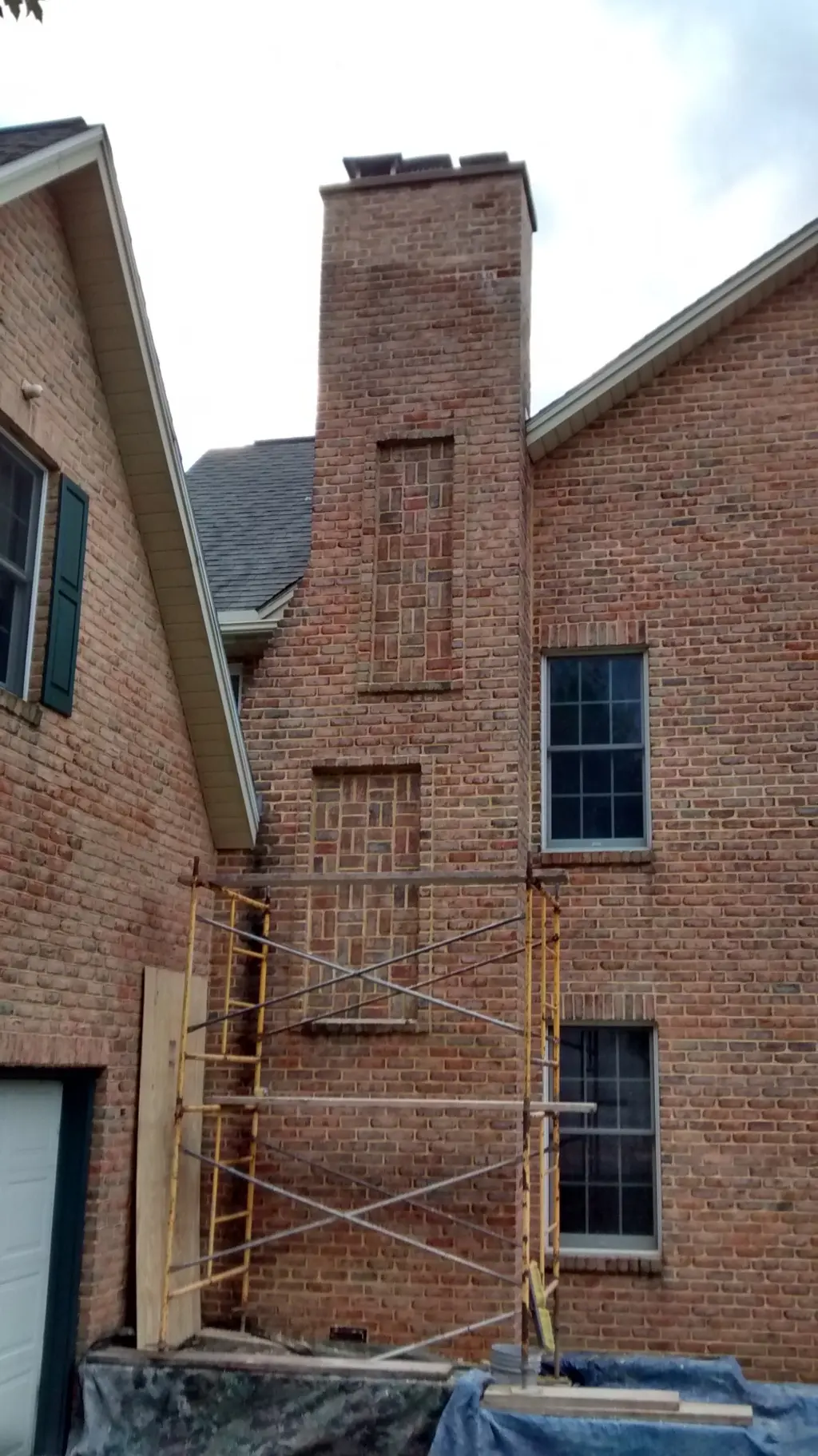
Beyond the standard decay, I identified a critical problem: the original bricks are unique and no longer manufactured. Many of the existing bricks are too damaged to be reused in a standard horizontal orientation.

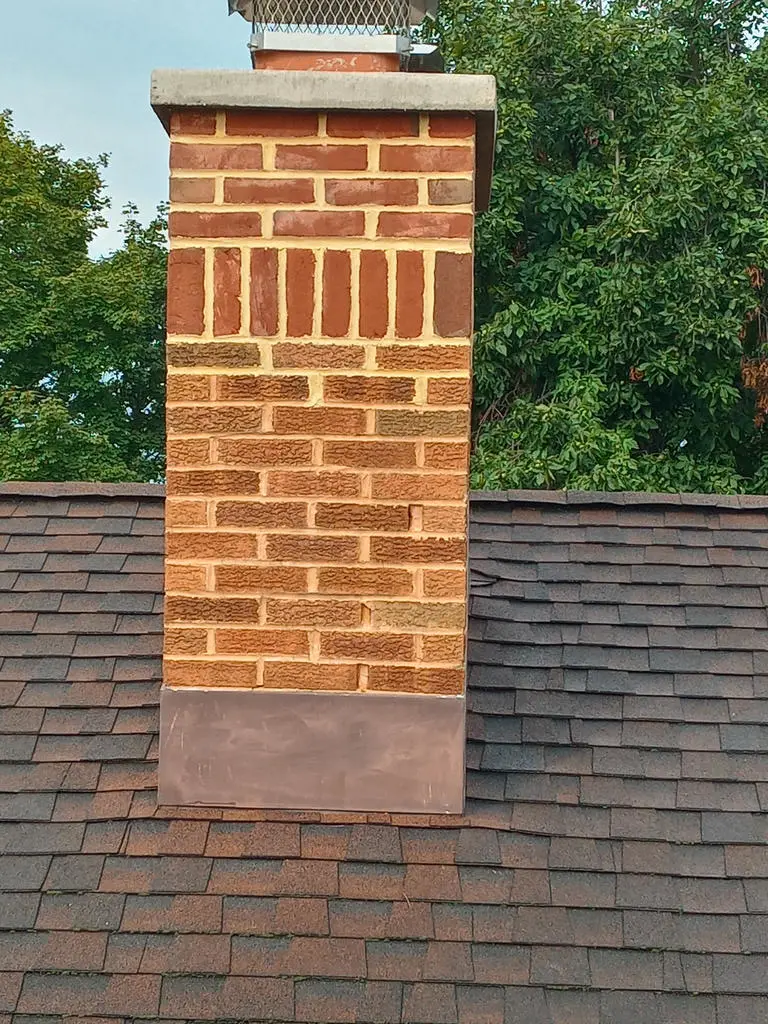
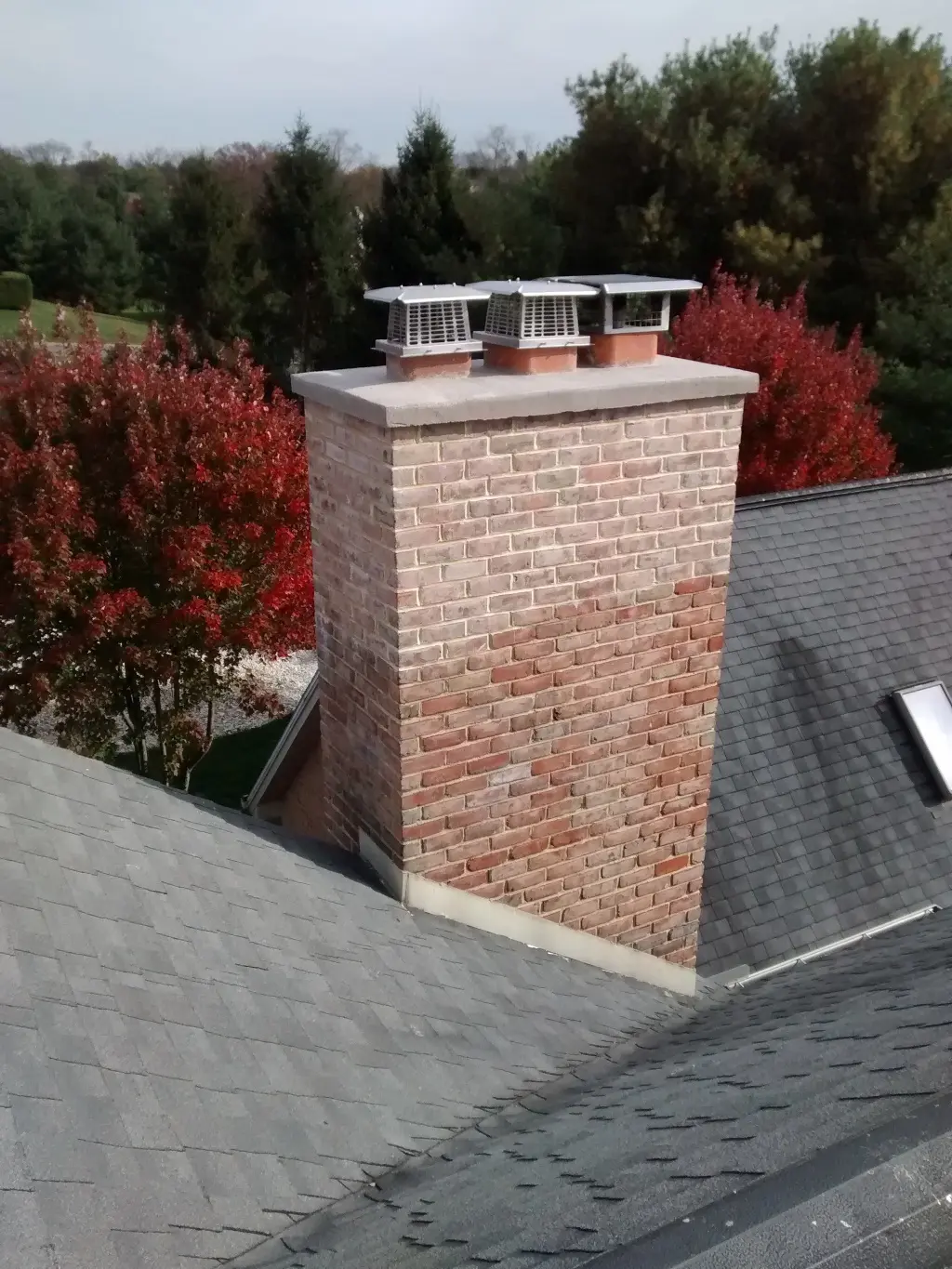
I carefully tore down the damaged sections, hand-selecting the bricks that are still structurally sound. To stretch the limited supply of original materials, a strategic design choice is made: use a “soldier course” (placing bricks vertically) on the visible outer faces.

Grantville After

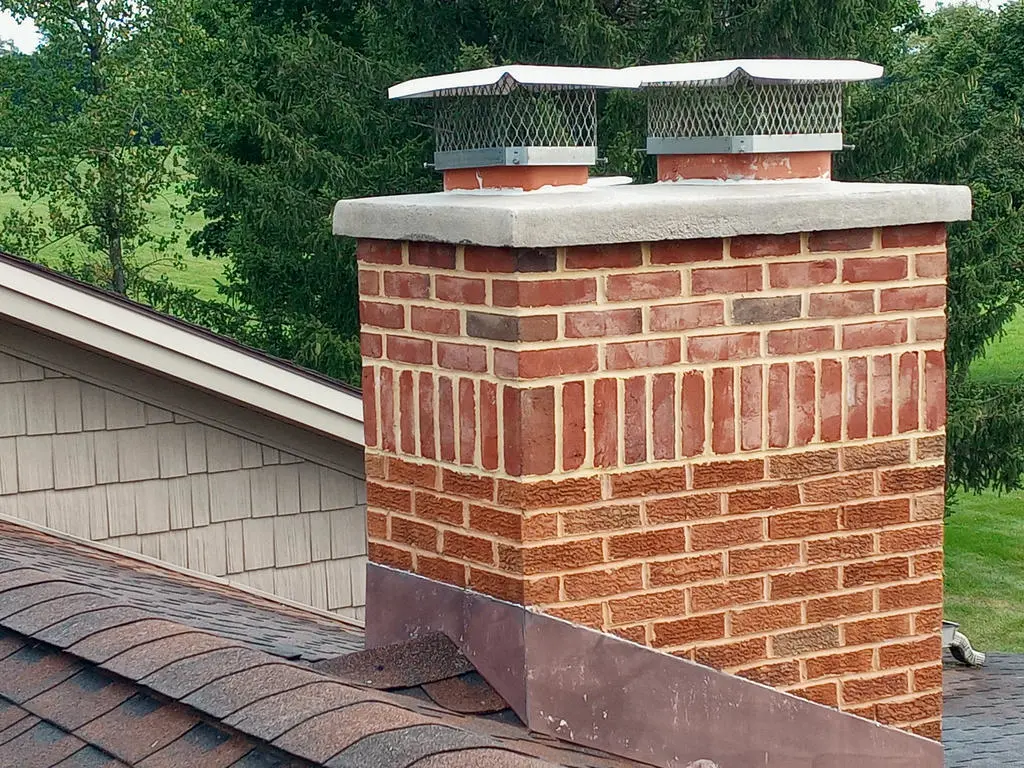
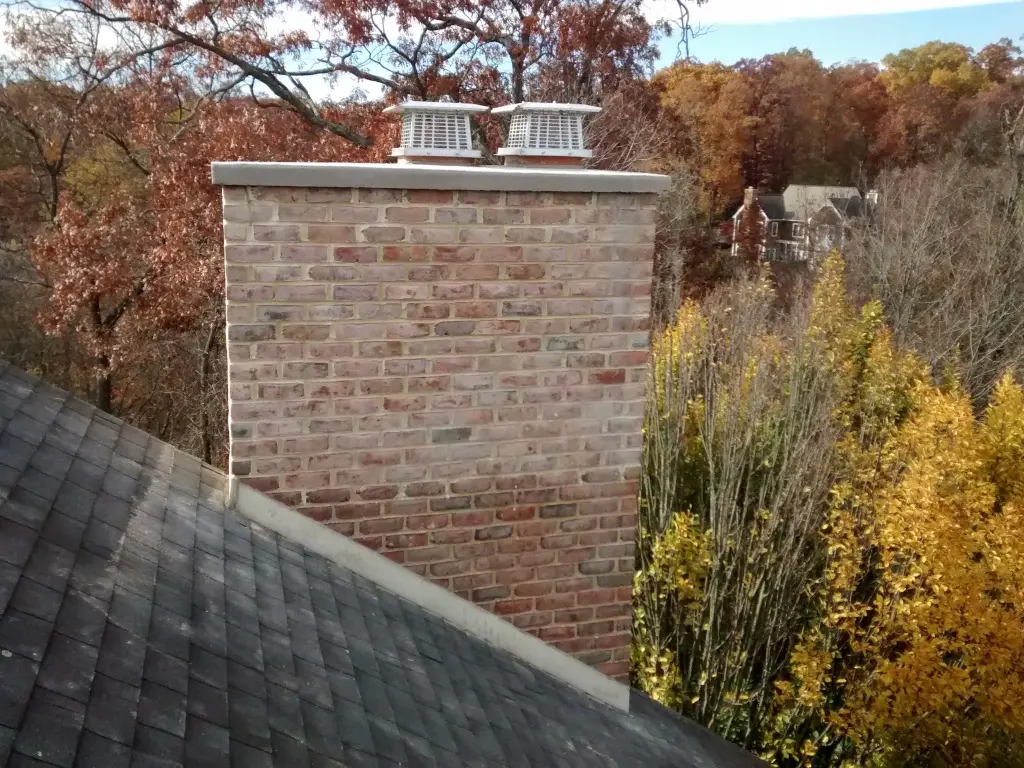
The final images show the completed chimney. The soldier course creates a beautiful, intentional architectural detail that looks like a deliberate design choice rather than a necessity. The chimney is fully functional, weather-tight, and most importantly, retains its original character despite the material shortage.
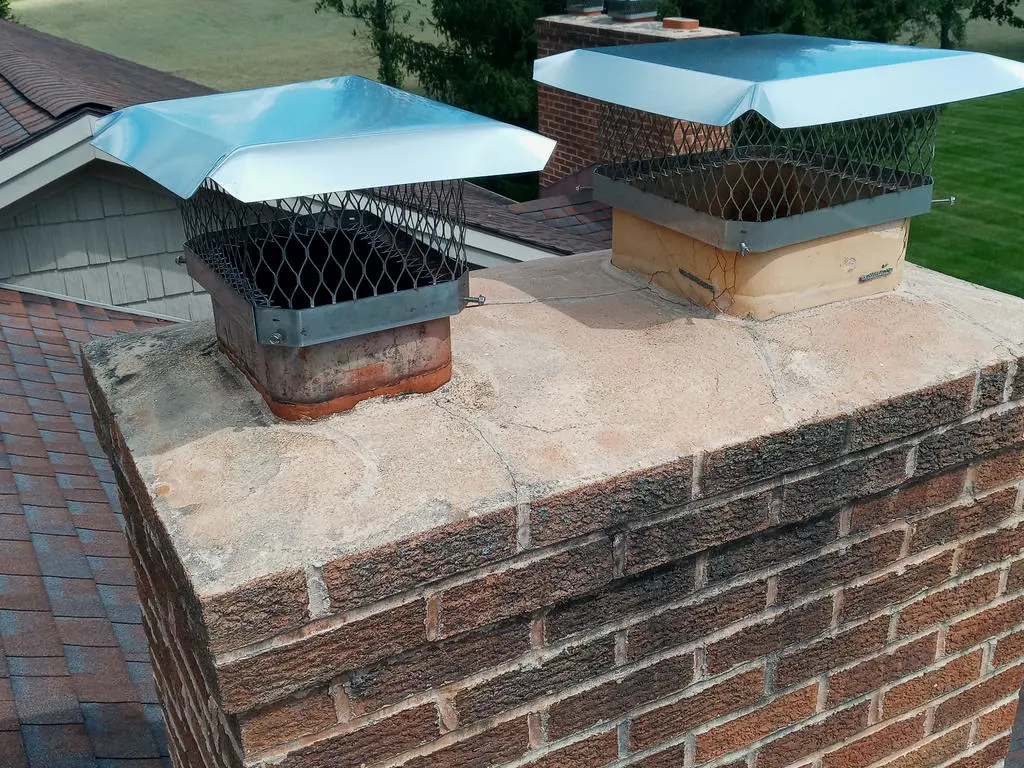
Elizabethtown Before

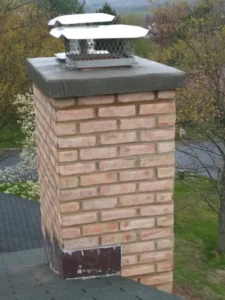
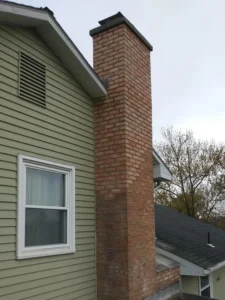
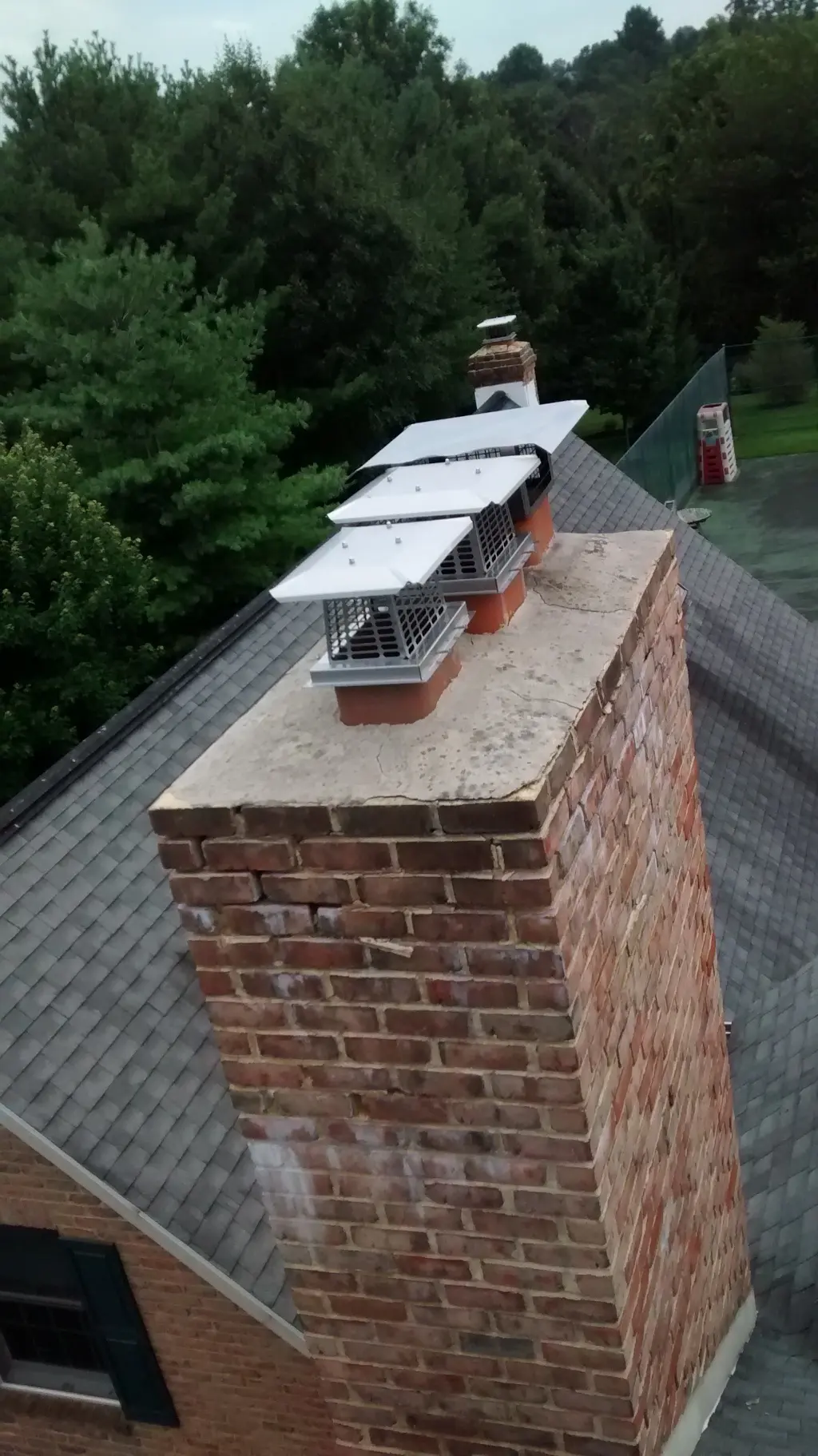
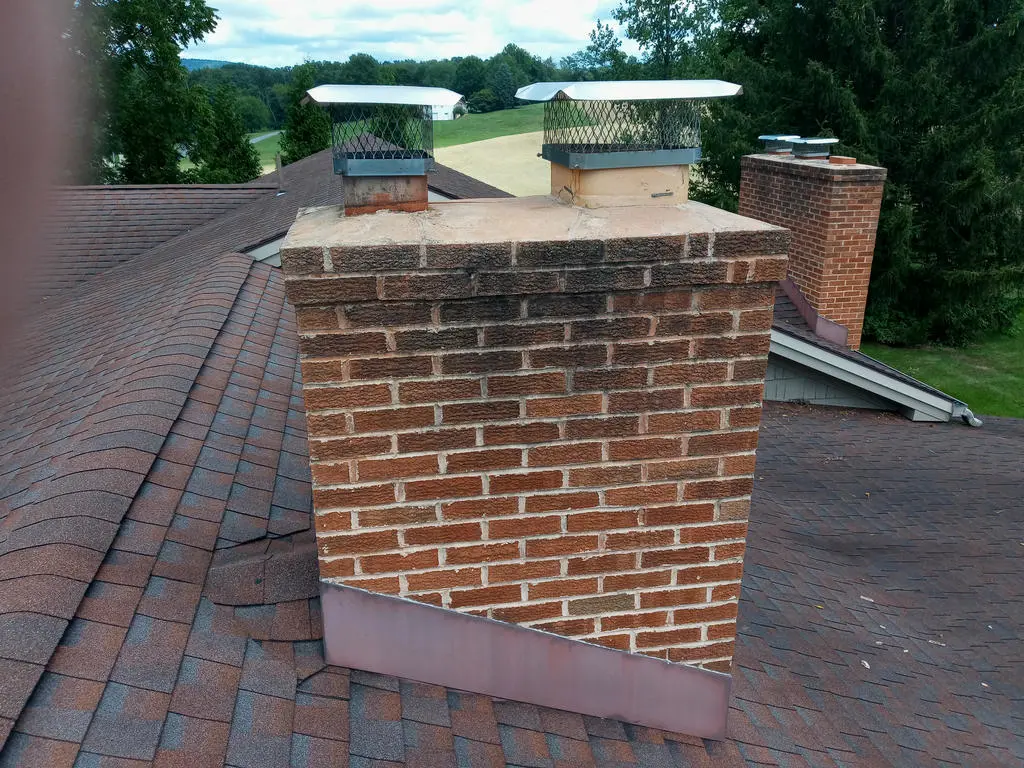
When I arrived at this Elizabethtown property, the chimney was showing classic signs of ‘spalling’—where moisture gets trapped in the brick and causes the faces to pop off during the freeze-thaw cycle. The light green siding of the house made the red-brick deterioration even more visible, and I knew we needed to address the water entry at the crown before it compromised the interior walls.

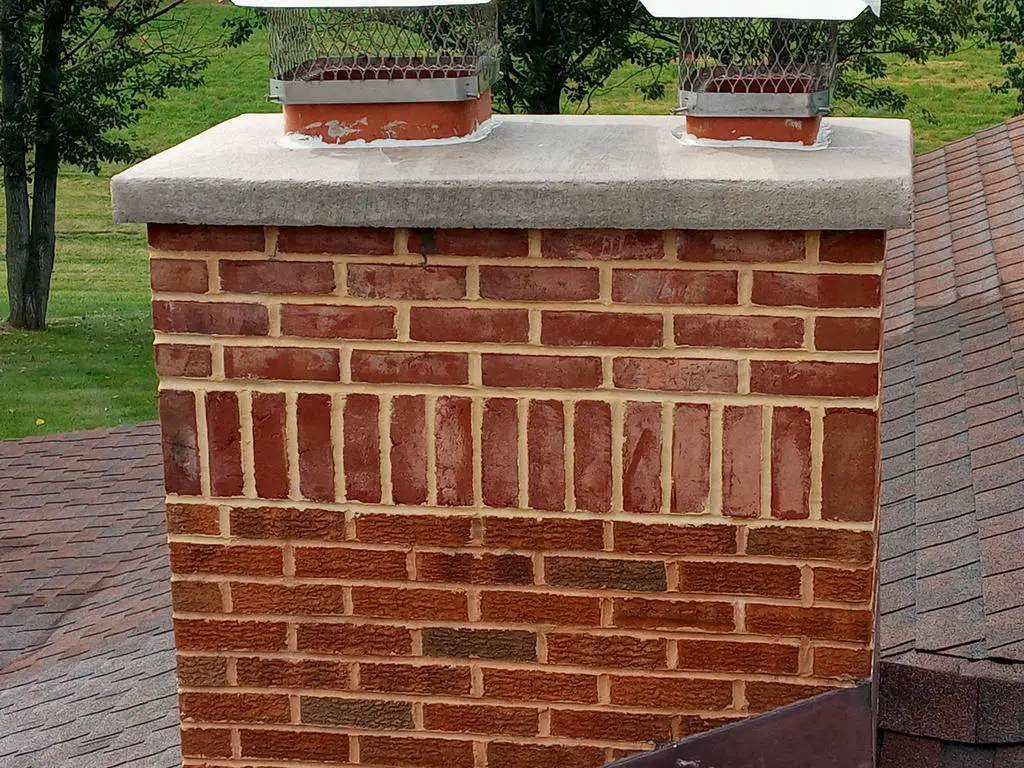
Elizabethtown After

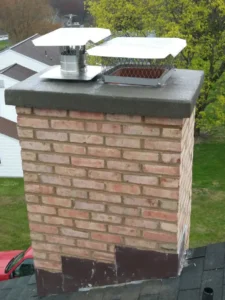
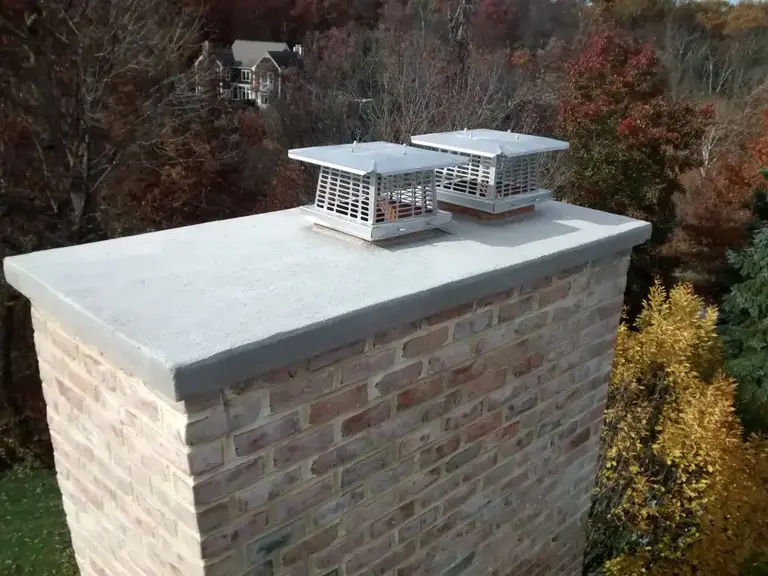
I stripped back the weathered mortar and removed the compromised bricks. After carefully matching the new mortar to the home’s existing masonry, I rebuilt the upper sections and installed professional-grade metal flue caps. These caps act as an umbrella for the chimney, ensuring that this restoration will stay dry and structurally sound for decades to come.”

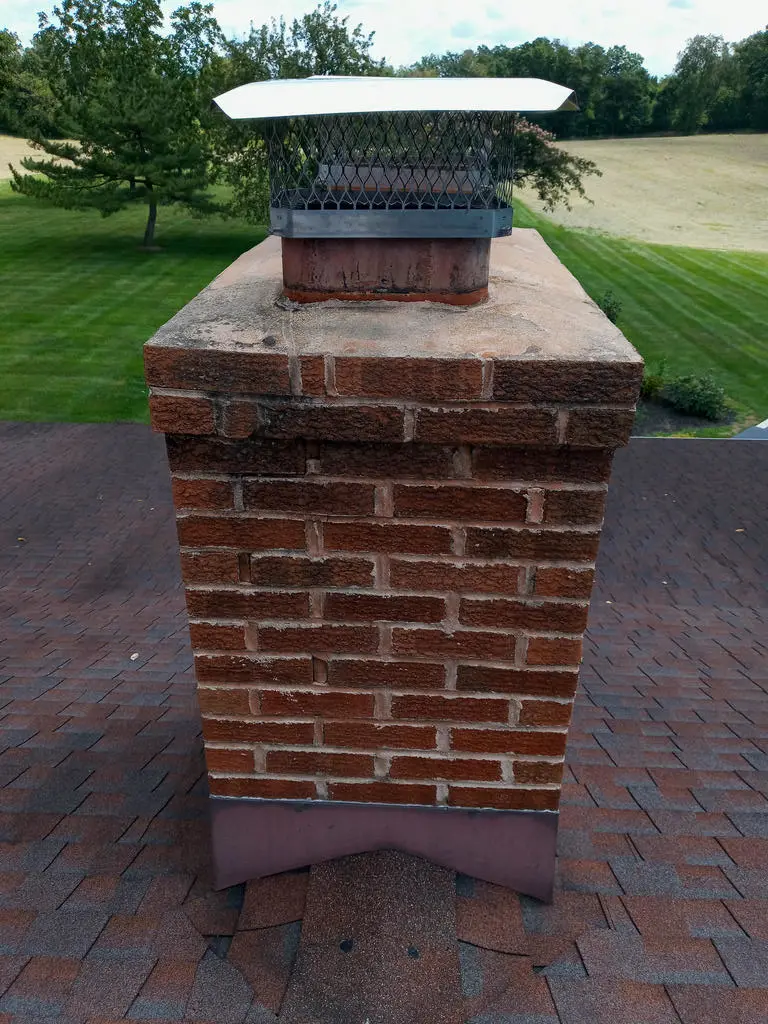
A freshly repaired brick chimney with a metal cap on a shingled roof.
A newly repaired brick chimney on the side of a house with light green siding.
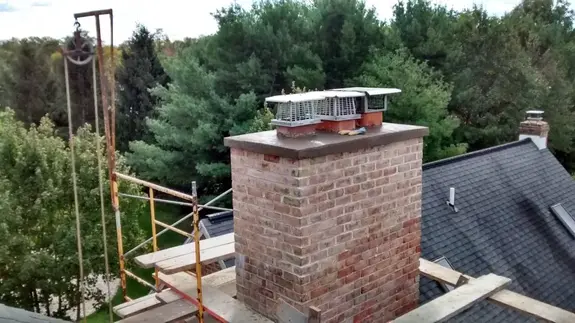
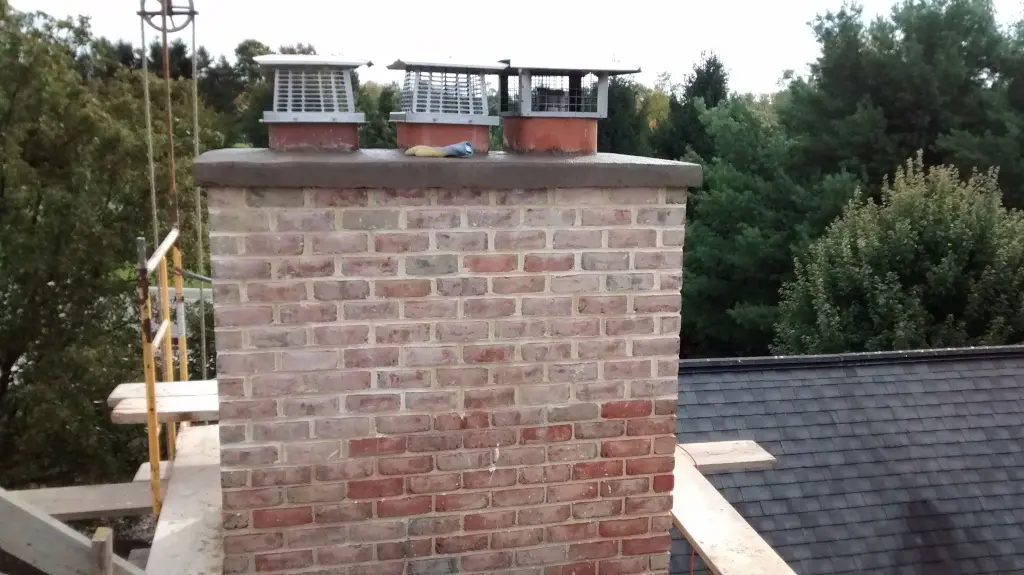
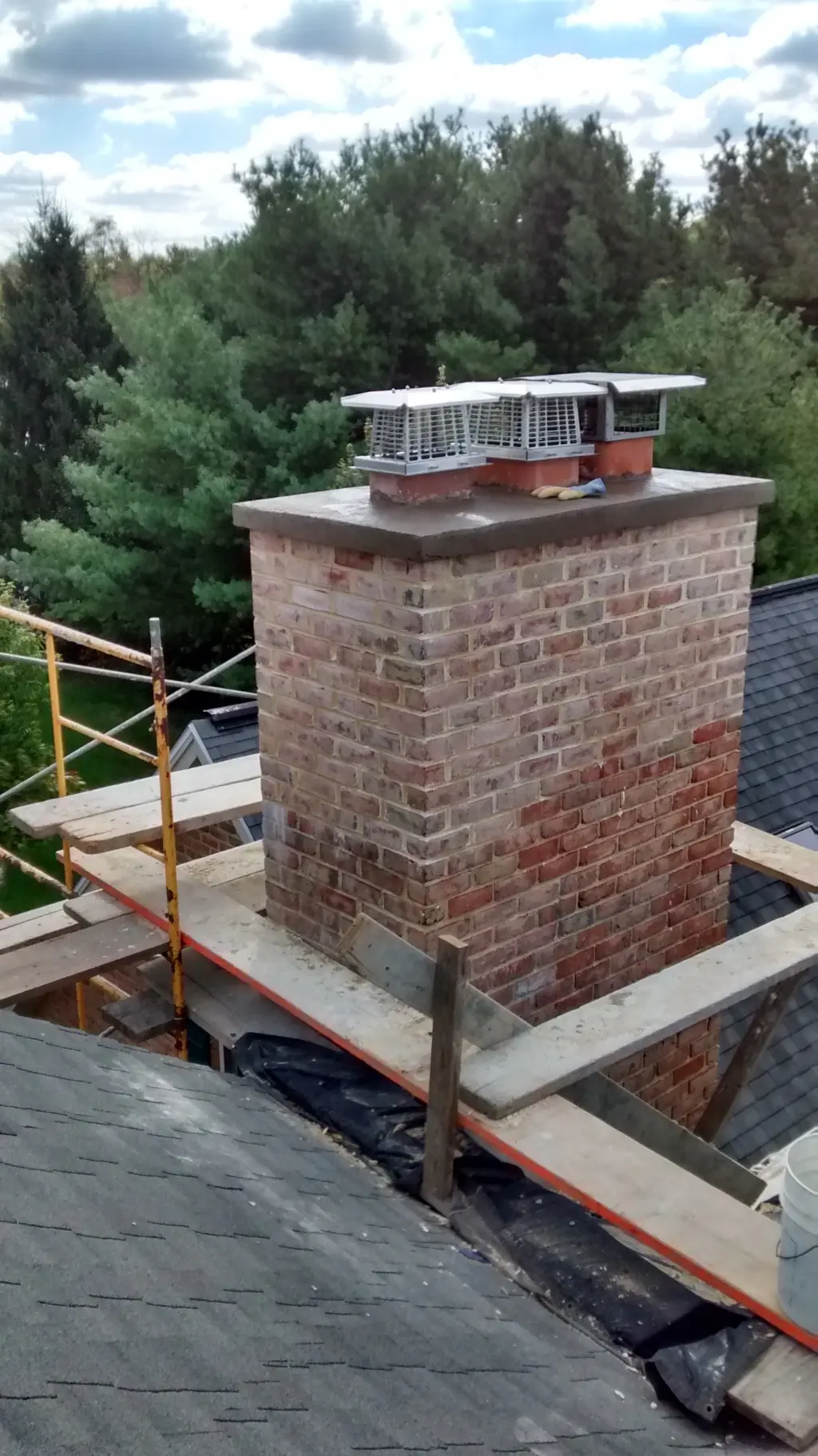
A freshly repaired brick chimney with metal flue caps on a rooftop

Hershey Project Before

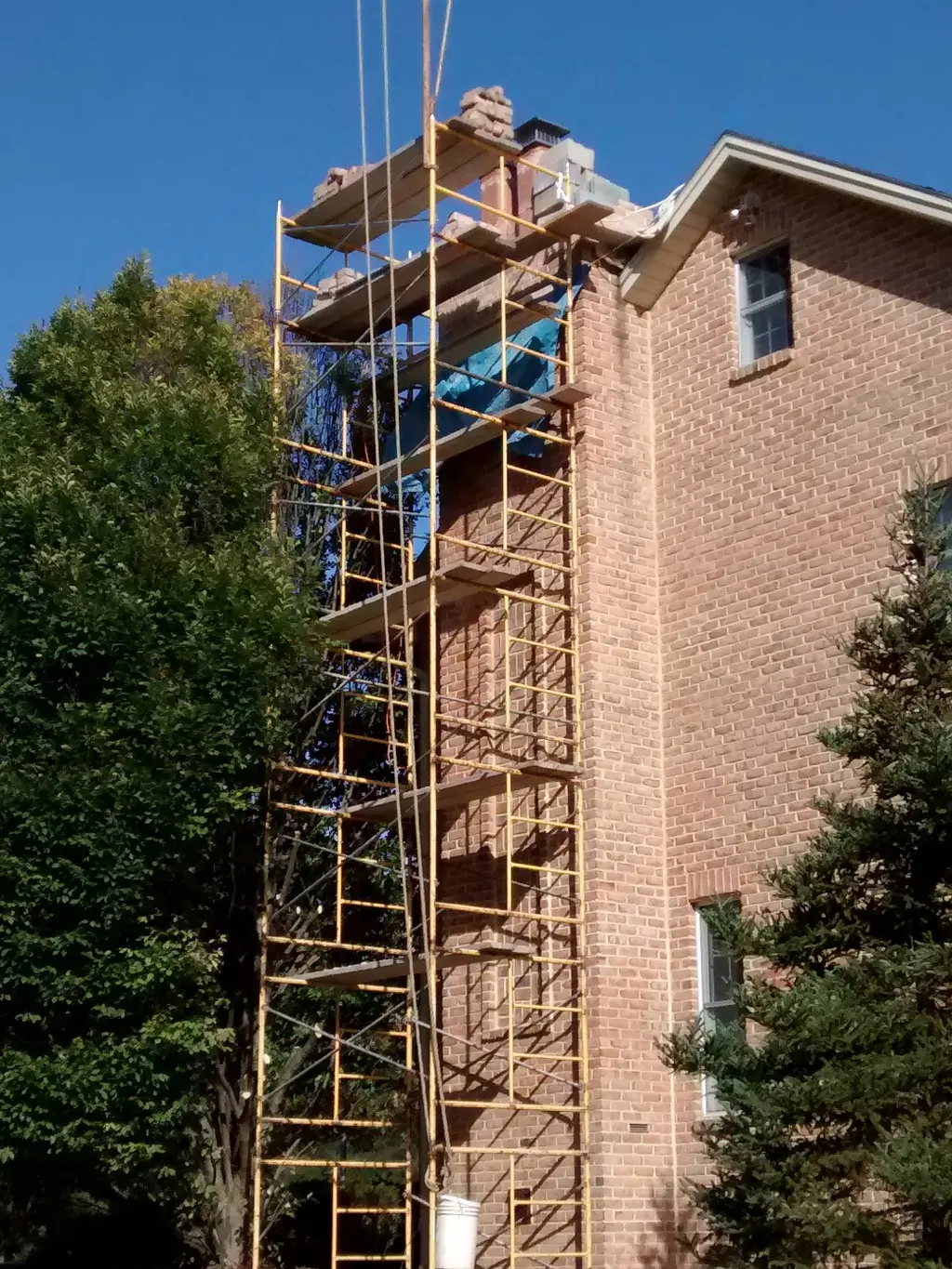
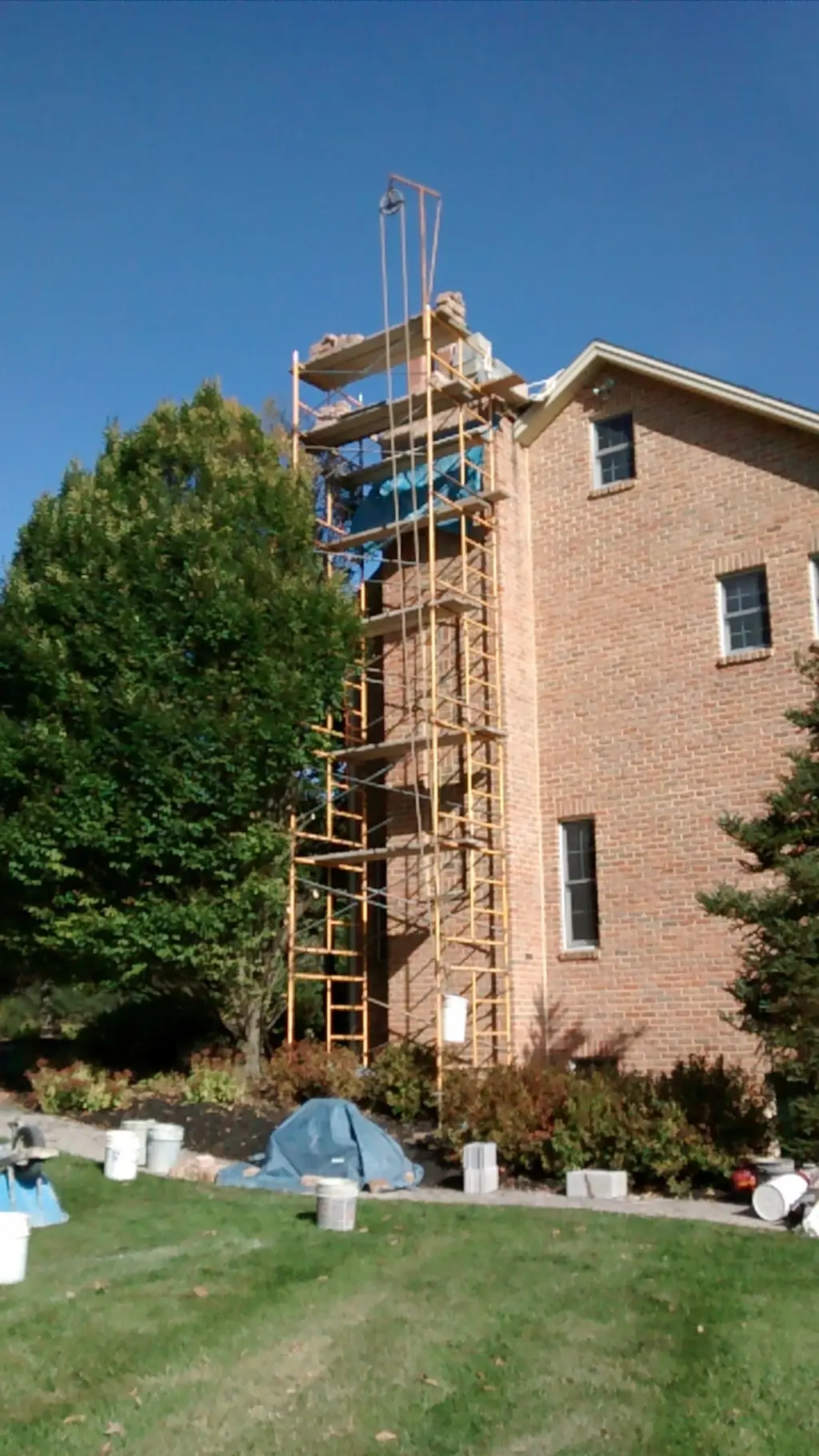
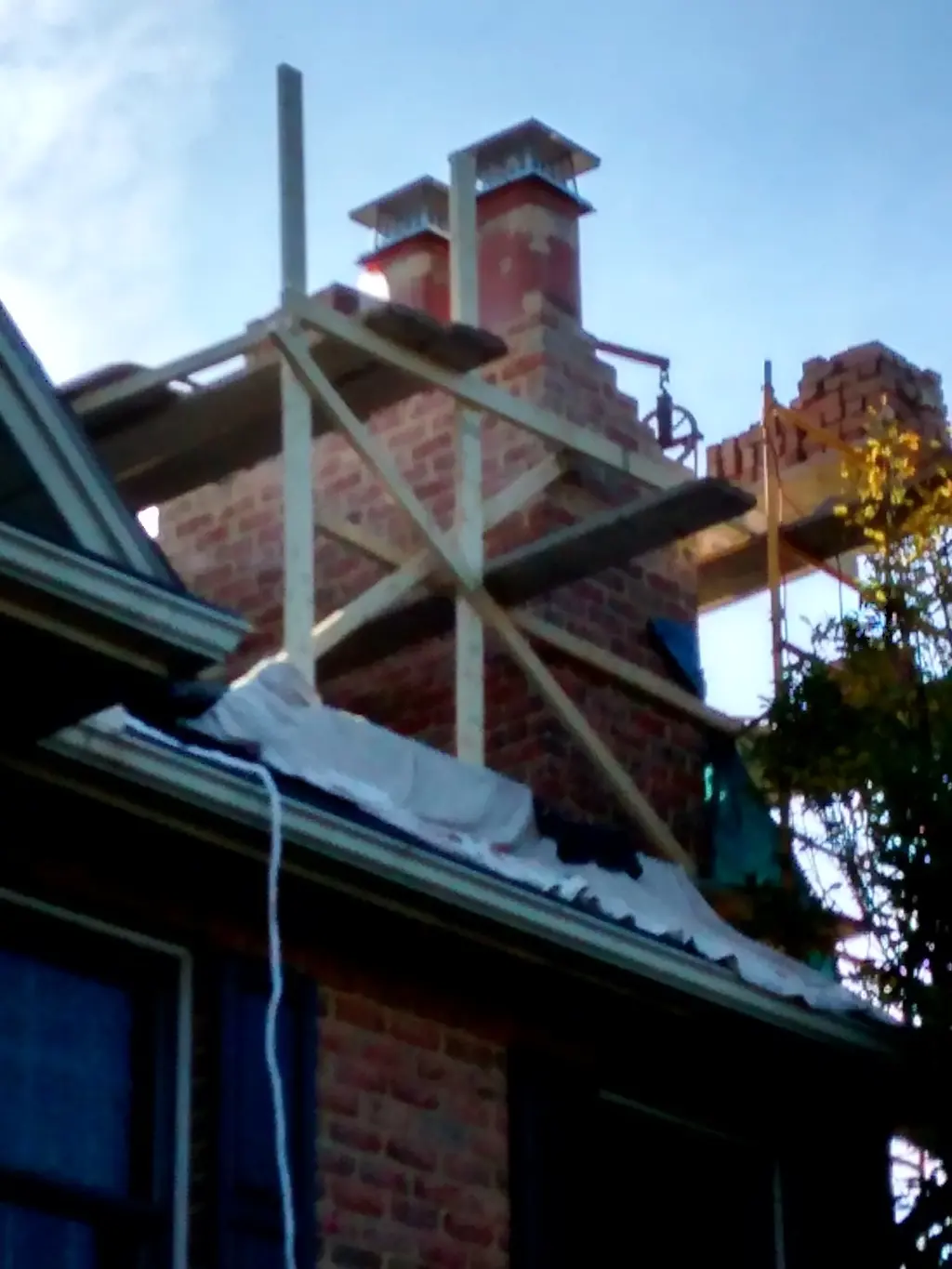
The Hershey project was a significant undertaking involving two chimneys. While the restoration process was largely the same for both, one was considerably worse off than the other, exhibiting a severe structural lean. As you can see from the scaffolding stages, safety and precision were my top priorities. The mortar had essentially turned back to sand in several sections, leaving the bricks stacked but no longer bonded together.

Hershey Project During

Hershey Project Completed

I worked my way down the structure, stabilizing the chimney as I went. This wasn’t just a surface repair; it was a deep-level reconstruction. By using a heavy-duty scaffold system, I was able to meticulously repoint the entire height of the chimney, finishing with a new concrete crown and custom-fit caps. The result is a chimney that isn’t just beautiful—it’s once again a structural pillar of this historic Hershey home.